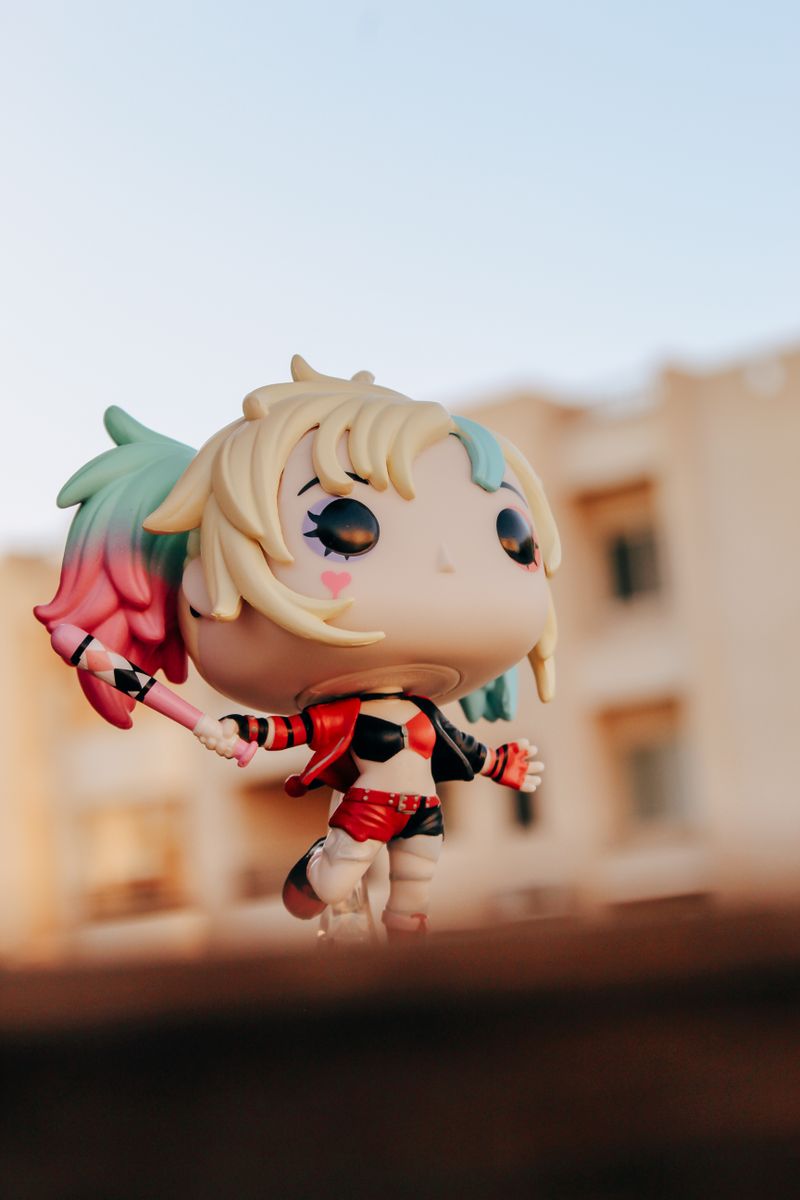
The most visually aggressive designer toy releases of 2026 are not coming from corporate studios—they are coming from street artists who have learned to translate graffiti, muralism, and urban iconography into collectible vinyl. The Matt Gondek x Ron English “Lil’ Shit POPaganda” sculpture at PTS Singapore 2026, limited to 100 pieces, exemplifies this pipeline: a seven-inch vinyl figure that carries the same graphic intensity as a two-story wall piece.
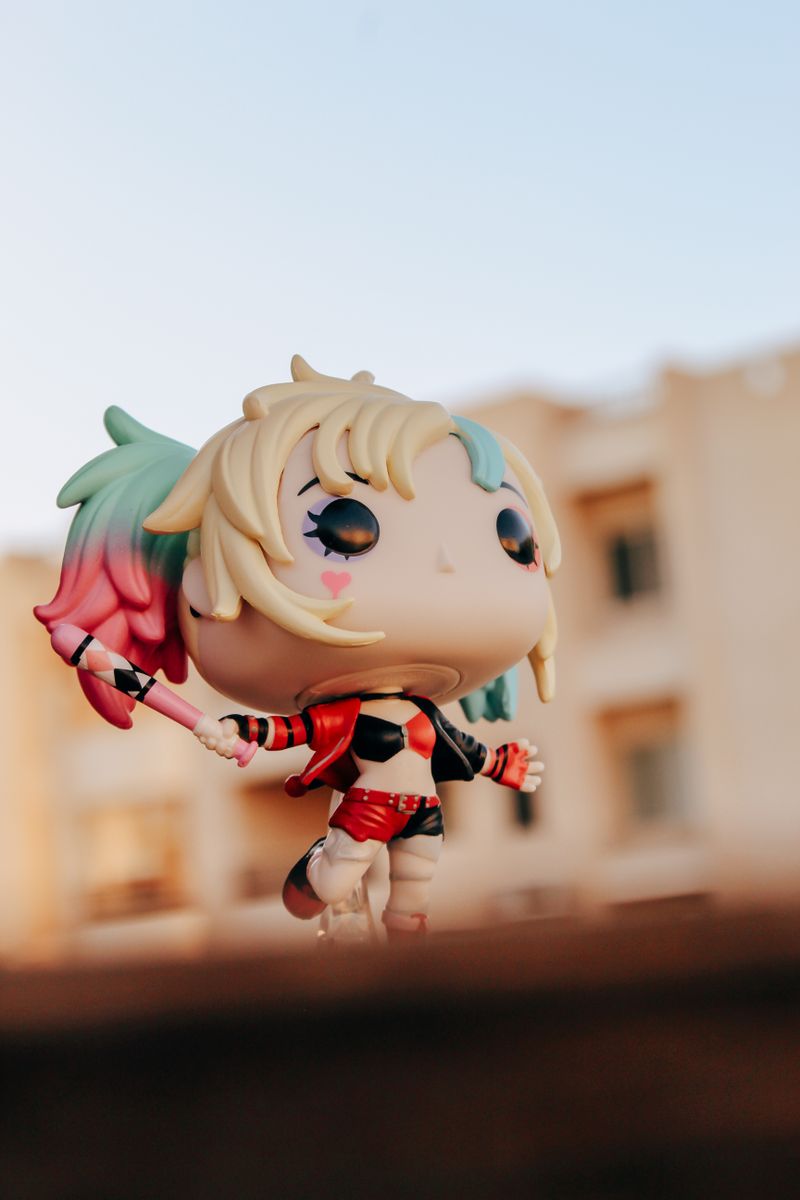
From Wall to Mold: The Street-to-Sculpture Pipeline
Street artists traditionally work at architectural scale. Scaling down to a seven-inch vinyl figure requires rethinking composition, color blocking, and line weight. Matt Gondek’s explosive, deconstructed pop characters lose none of their impact at toy scale because the original designs are built on bold, flat shapes that translate cleanly to molded PVC. Ron English’s POPaganda overlay adds a layer of satirical branding that collectors recognize as an art-world credential.
BaiChaoHui draws on similar urban energy in its Zombie Party IP, where street-style typography and subculture visual codes inform the character design language. The result is a collectible that feels native to both gallery walls and display shelves.
Why Street Art Aesthetics Work in Vinyl
Vinyl as a material favors bold, uncomplicated shapes. Street art’s reliance on flat color fields, thick outlines, and high-contrast palettes makes it an ideal source language for toy molds. The same qualities that make a mural readable from a moving car make a vinyl figure visually arresting on a crowded convention floor.
Limited Drops and Scarcity Economics
The Gondek x English collaboration was limited to 100 pieces with a two-per-customer daily limit at PTS. This scarcity model mirrors street art’s natural scarcity—murals are site-specific and cannot be reproduced exactly. Limited vinyl editions replicate that exclusivity in a collectible format. Collectors who miss the primary drop face secondary market prices that often double or triple within weeks.
Asian Urban Art and the Global Vinyl Market
Street art influence on vinyl is not limited to Western artists. Singapore’s CHUCHUMEI, Thailand’s Wood You Mind, and Indonesia’s Kongandri all bring local urban visual traditions to the PTS floor. This cross-pollination is expanding what “street culture” means in the collectible space, introducing Southeast Asian graffiti styles, Japanese yankii aesthetics, and Chinese urban typography to a global audience.
Frequently Asked Questions
Why are street artist vinyl figures so expensive? Limited editions, hand-painted details, and the artist’s primary market reputation all drive pricing. A 100-piece run with hand-finishing is inherently scarce.
How do street artists adapt their style for toy scale? They simplify detail, increase color contrast, and emphasize silhouette over texture. The goal is visual impact at arm’s length, not photographic realism.
Are urban art vinyl figures a good investment? Pieces from established artists like Gondek and English historically appreciate, but the market is volatile. Buy for the art first, investment potential second.